
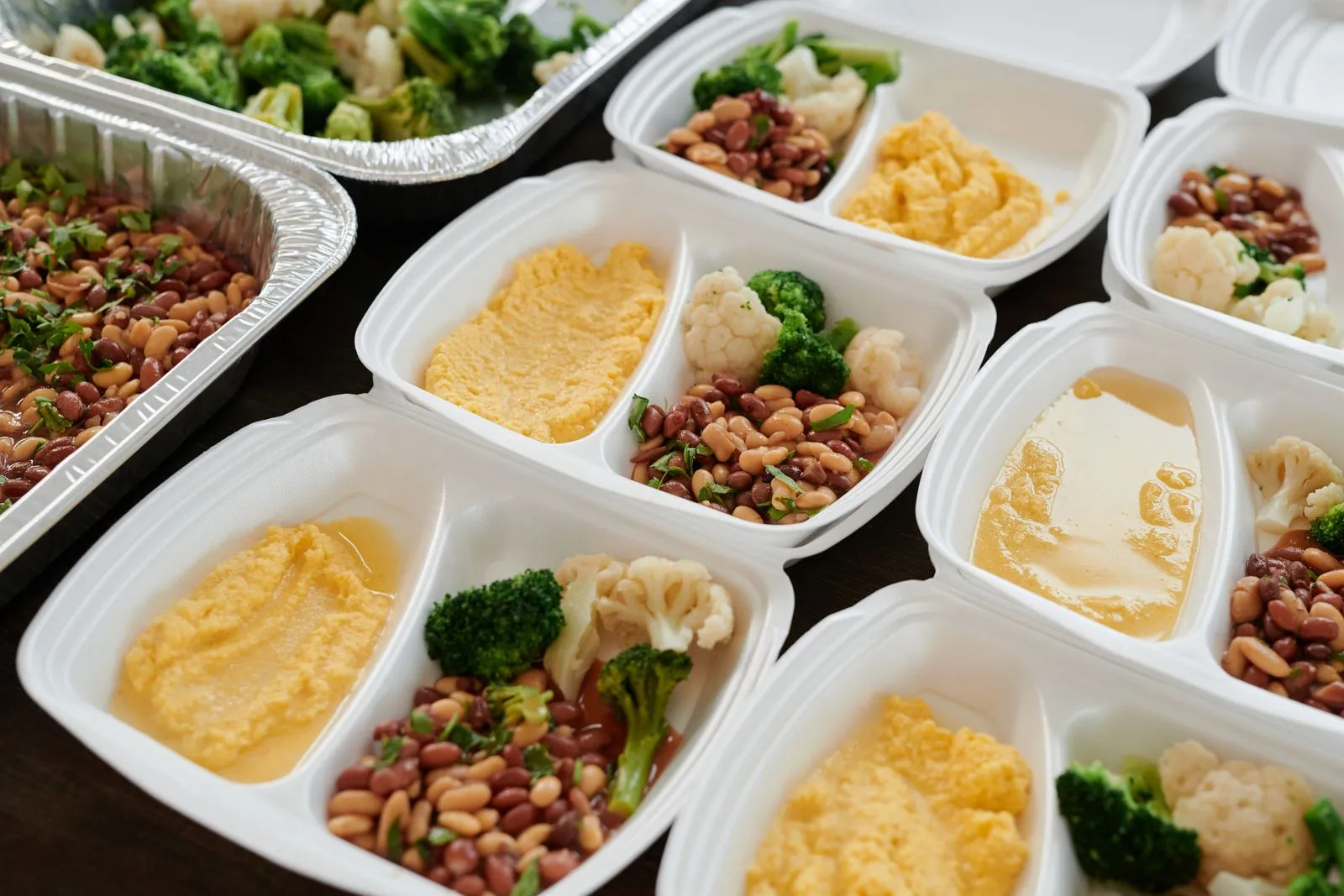
An oncology nutrition appointment is a chance to discuss how eating and drinking fit into your cancer care. A little preparation can help your dietitian understand what has changed, what feels difficult, and what support would be useful. You do not need a perfect food record or a complete list of answers. Bring the information you have, note your main concerns, and ask for advice that works with your treatment plan, symptoms, routine, and preferences.
Gather Your Health Information
Bring an up-to-date list of medicines, vitamins, herbs, and other supplements, including how often you take them. Include allergies, food intolerances, and relevant health conditions. If available, bring notes from your oncology team about your diagnosis, treatment plan, and upcoming appointments. Your dietitian can use this context to tailor nutrition guidance and identify questions that may need to go back to your medical team.
If you have recent information about weight changes, appetite, or symptoms, jot it down. Note when a change began and whether it varies around treatment days. You can also bring a short food and drink record from a few typical days. Include approximate amounts and any foods that were easier or harder to manage; exact measurements are not necessary.
Describe What Eating Is Like
Think about the challenges affecting meals right now. These may include nausea, changes in taste or smell, mouth discomfort, swallowing difficulty, constipation, diarrhea, fatigue, or feeling full quickly. Note what seems to trigger a problem and what, if anything, helps. Share how symptoms affect your usual meals, fluids, grocery shopping, or ability to cook.
Include the foods and routines that matter to you. Mention cultural or religious food practices, dietary preferences, budget limits, kitchen access, and who helps with meals. This gives your dietitian practical details for making suggestions you can use. If a recommended food is unavailable or does not suit you, say so; the plan should be adjusted to your circumstances.
Choose Questions to Ask
Write down your top concerns before the visit so they are easier to raise. Useful questions include: What nutrition goals make sense for me right now? How can I manage the eating-related symptoms I am experiencing? Are there foods or supplements I should check with my oncology team before using? What should I do if I cannot eat or drink enough?
Ask how to tell whether a strategy is helping and when to follow up. You might also ask for meal or snack ideas for treatment days, guidance on fluids, or ways to make food preparation easier when energy is low. If advice feels difficult to apply, ask for another option. You can request written recommendations so you have something to review after the appointment.
Make a Simple Visit Plan
Before the appointment, choose the two or three outcomes that matter most to you. For example, you may want help with a symptom, ideas for convenient meals, or clarity about a nutrition claim you have heard. Bring a notebook or use your phone to record recommendations, questions to discuss with your care team, and any follow-up steps.
If you want someone to join you, ask whether the appointment format allows it and choose a person who can help you listen or take notes. At the end, summarize what you plan to try and confirm when to contact the dietitian or your oncology team. If symptoms change suddenly or you are worried about your ability to eat or drink, contact your care team rather than waiting for a routine visit.
You can get more from an oncology nutrition appointment by bringing relevant health details, describing your day-to-day eating challenges, and choosing a few questions in advance. Share what is and is not workable for you so the advice can fit your needs. Nourish Oncology provides nutrition support in Edmonton; contact the clinic to ask about arranging an appointment.